Why Pure SaaS Is Dead for Investors (And What's Next) [Ft. Neal Bloom, Rising Tide Partners]
Pure SaaS for b to b enterprise, it's really hard to invest in. Right? It's still a great place to build software for, but I think every company is gonna build their own software. Software is not going away. I just think making a hundred x return on software is really hard right now. It's really tough. Software enabled hardware, hardware enabled software is way more appealing from an investment standpoint, but no idea is unique at this point. We could have a thousand people with the same idea, and a thousand people will execute it a thousand different ways. Fast forward is twenty thirty. What do you think Rising Tide Partners, like, looks like in terms of how it's operating? I think twenty thirty is Welcome to the twenty thirty pod. I'm Keith Jansen, president at CADRE AI. We're here with Neil Bloom, managing partner at Rising Tide Partners. Hey. Thanks for having me. I was debating which company to say at the beginning because we've got Interlock Capital. We've got and you got what? Taco Tech and Tacos? Tacos and Tech? Tacos and Tech Podcast. What else? And Rising Tide Partners. Yeah. But everything's really consolidating into one. Is it? Yeah. Interlock Capital is an investment group, a fund, and we're no longer making new investments out of it. So we've got forty five investments we've made from twenty twenty to twenty twenty five, me and a partner. That partner wants to go on building AI company and be in the biggest gold rush that we've ever seen in a while, which and we can't wait to invest in his new company, and perfect timing for me to start a new platform, a new investment platform called Rising Tech Partners. Nice. Nice. And so with the forty five investments, what size companies are they typically? Super early stage journalists where we focus. So we wanna get to know founders, well, years before they're even starting something as ideal or as early as possible, where we have conviction through other LPs who are all operators, serial founders, telling us what they see in that company. You do a lot of work with, young kids, like kids in college. Yeah. Yeah. For me, I I mentor at SDSU every Friday. I'm pretty much like an entrepreneur in residence at SDSU, and for me, it's almost I view myself every day as a talent scout, and this is a great way to see raw talent, and scout them, and help connect them, and, you know, scare them into scare them in or out of entrepreneurship. Right? Scare them to go learn the skills at a startup before they go start their own, but, yes, I love just experiencing great talent. And I heard you say in another podcast, it was about founder market fit versus, like, product market fit, and you are indexing on founder market fit higher. Explain it. I completely believe I'm investing in people, hundred percent, maybe ninety percent. So great, great, great, exceptional founder, pretty much has to figure everything out. The market doesn't exist. The solution doesn't exist. The problem might not even be apparent yet. And so we have to, you know, underwrite all of that into the person to say, are you the one to go out into the world and solve the most urgent need that you believe is worth solving and figure it out and return an exit. Right? And so to do that, you start to stack rank different things about a founder. Besides grit, besides insane curiosity, and besides, you know, the right signal to determine urgent need versus nice to have need, you also some of the ways that you do that is, well, I've experienced that before, so I'm my own customer. Or I've built and sold into this industry, but I actually saw the bigger problem right there adjacent to what I was building. I don't know. Those are some ways to experience how to stack rank founders. There's one part of that which is just like, are you built to be a founder? Right? There's there's that component. But then I would think, like, founder market fit also has to be really specific to, are you the right person? If you are the right founder, are you the right person to solve this specific problem? Yeah. And that's got to be tricky because if you're talking to people right out of college, how much time do they really have to go into the world to be that type of fit? Are are these typically these typically, I would imagine, be younger individuals that you're investing in. Right? Oh, actually, no. Most of my founders I'm investing in are serial on company two, three, four, or five. But I wanna get to know founders in their, like, negative one year phase. Typically, of their ideas, students, are all within their world. It's school problems, parking, dorm living, moving in and out. Okay. It's great. Go experience that and determine if that is the most urgent need worth solving. So I'm not investing as much, definitely, at the student level. I'm investing my time to understand and test my own thesis because there's a total counterargument to all of this that founder market fit actually is someone who doesn't know the industry at all, comes in with a totally different idea. Look at Travis Kalanick, has no background in taxis. Well, he seems to be the best person to have solved, you know, point to point transportation. So, I don't know, there's a counterpoint to all of this. And do you feel like you lean in on any of this because of your own experience? You had a Portfolium, right, and you built and sold that. How old were you when you started that? Twenty eight when I started. So, yeah, my whole what I've synthesized everything I'm working on right now is that I'm a really good contextual matchmaker of people, and context, and relevant skills to something else. So my first role roles were were in aerospace, actually. I worked on the space shuttle program, but my role was to get to know the entire space shuttle program and get a call when, like, a red line when something was a problem and assemble a tiger team and solve that problem instantly. So I had to know everyone, had to have trust, people had to know this is real, let's go solve this problem and not mislaunch. And so that actually turned into Portfolium. It was LinkedIn for engineers. It was the original idea. Help these amazing world class rocket scientists, help them translate their skills into a new opportunity. So that was the original idea for Portfolium. We built it, then went and looked for a customer, and everyone's like, I'm just gonna update my LinkedIn. First time founder problem. And pivoted into LinkedIn for students, and that's where we really started to have traction, where we were selling into schools, helping students take their employability, demonstrate and show that in a visual differentiated way, and get their first job. Did you have to change much about the product in order to do that pivot? Yes. We were like all engineer, engineer project only, inject CAD files, and now I realize, oh, we have to be able to take essays and sports and sororities. How do we translate all that into work experience or employability? So, yeah, it took a bit, and then we had to integrate into the school software stack, which was a pain. That's the moat. And at the time, this was how long ago? Is Twelve years ago. So the so Blackboard was was already getting was our probably day and age, what ran schools. Then it became Canvas. Because we stuck with the integration with Canvas, Canvas started seeing our data flow and ultimately acquired us. So the tech moat actually, you know, the integration is what actually pulled us into an exit down the road. How big did the company get? Not very big. We're in single digit millions. We hadn't raised a ton of funding. We're about twenty people, and, you know, acquired ultimately, we got acquired twice, really. We got acquired by a public company, which then got acquired by a PE company, so we got two exits out of it. Did you stay long after? No. I was actually gone before the exit, onto the next adventure into start up land for me. And so when you moved on from that, was there any problem you saw that you were, like, instantly drawn to, or was it more just, like, I wanna take some of this, you know, money that was able to get out of this and invest in the people that are trying to do the same thing? There's definitely the piece we didn't get to work on because we got taken out almost too early was connecting students with jobs. We got really good at assessing students' individuality and potential, and so that's what schools were buying into. The part we wanted to connect was, and employers hire you because of that. And so the next thing I went and worked on was help a friend do another talent tech marketplace called Hired dot com, or actually when I started there, we were known as developer auction dot com, which it literally was. We would find the best developers, we would rank them and put the best developers live on the platform eight AM Monday, and the top tech companies would clamor for them. They would in they would, in a sense, apply to our developers, and within a week, they had jobs. And so that was the part that was missing for me, was connect to opportunity and jobs, and that was a big checkbox for me in that regard. And I was starting the angel vest right around the same time, learning to now look for great skills in people and now back them with money. And that was the beginning of my, you know, investment path. So then you go and you go on to make these forty five investments. Right? With these forty five investments, do you feel like the founders that you've met along the way, is there anything really is there any commonality? Any one thing that you're like, this is I look for this. If there's one thing I'm gonna look for in someone, it's this. Yeah. And actually, now it's like seventy or eighty investments I made. So I made about thirty angel investments. The founders I invested in turned around and said, we wanna start investing in what you're investing in, which is what became Interlock Capital. This idea that founders have a little bit of disposable capital and start placing some other bets into other founders. So that was our forty five investments with Interlock. The biggest thing that I find with founders and entrepreneurs is that they grow up in a very like, in the early days when you're a two person founder, is lonely, and you have no one to relate to. Especially even your other co founder, you have totally different skills, so no one's like you, which is, by way, what investor loves. We love complementary skills in co founders, right, not carbon copies. And so founders always love other founders. They just you have this kinship. You're a builder, I'm a builder for life. Also, insane aspect of learning, but but learning from a customer's perspective. So they the best founders, every day are outselling, they're pitching, but more than that, they're listening and learning where pain is. Like, they're measuring signal firsthand. They don't want to synthesize it through someone else. They want to be there with the customer and just understand the pain as as much as possible. And this is a billion dollar company, hundred billion dollar company, or a one million dollar company. That's founders. They, like, eat, sleep, drink customer pain. Do you feel like you could sniff that out at this point? Yeah. I think so. Now, I can sniff out that. Are they gonna return a hundred x money? That's the one. Yeah. We're still learning that, you know? And if you knew that, and if anyone knew that, there'd be no stock market. There'd be none of this. Right? So the beauty is there's a lot of black swans events out there. We love a good challenge. That's for sure. You've had a lot of pitches, I'm sure. Any stick out of, like, just crash and burn? Or, like, anything that you would say to, like, maybe even a founder out there who's gonna go out and do their first pitch. Like, is there anything that you're, like, avoid doing this thing? Typically, they have most founders avoid talking about themselves. They talk about the industry, the market, how great the solution is without talking about the founder market fit, why they are the best person to do this, and what they have already synthesized and learned. A lot of it is more just, we believe there is this problem, and if you give us money, we will solve that problem. And you wanna hear about them. You wanna hear their hardship. No idea is unique at this point. We could have a thousand people with the same idea, and a thousand people will execute it a thousand different ways. Okay? So I wanna know why you, what's your unique angle, part of that is who you surround yourself with, are you aware of your skills, your what you love, and what you don't like, and what you're not good at, and how have you filled in those gaps. Team. Right? Because that's what the money is going into, by way. The investment is going into hiring people. I want that money to go into the best people money can buy, and that's you as a decision maker. So, really, I'm a talent scout of talent scouts. I expect the founders to have their head on a swivel looking for the best people they can surround themselves with too, and a lot of people miss that. They miss why us, and do we already have the dream bench of talent we would hire yesterday if we had the money for it? I remember being in a a CFO search a couple companies ago, and the our CEO was really torn between I mean, we had, like, some of the biggest agencies out there looking for for talent. Right? And he was really torn between the people. And I remember it coming down to him saying, you know, I really like that this the one that we went with, she's got this background where her her parents own this restaurant, they came over from this country, and this there was this whole story. And it's like, I'm not saying that she got the job because of it, but she stood out Yeah. Because of the, probably, grit that he assumed that she's gonna have based on what she saw coming up and her parents doing this and living through these these tough conditions. Do you feel like personal background and, like, what they've experienced in life plays a big part in how they show up? Big time. For sure. And, look, everyone is growing up and experiencing life. It's more, do you lean on that and you glean from that and use that to propel yourself forward. Right? Are you learning every day and making yourself one percent better because of your experiences and so, yes, hundred percent. Like, I don't look at resume. My resume is your learned self experience, and how does that propel you forward? As a, you know, as an investor that isn't part of, like, a large VC or PE firm where you're getting, like, you're looking at sims and you're doing sim analysis and all that, what's your what's your go to in terms of actual lease sussing out, you know, what this whether this investment's gonna be something you wanna look at or not? Because I would imagine you get some kind of, you know, memo or something ahead of time to be able to decide if you even wanna meet with this person. But I guess my question is, how are you guys looking at and maybe even using tools or AI or any of this to, you know, get better at at investing? Yeah. So I'm typically first money into to these founders. The best synthesis for me is talking to other founders and getting and someone who's been there, done that before. So first step now, always have Granola AI on at all times. Got it on during this interview. Synthesize data nonstop. Right? Or or just record data. When you say have it on in there, is it like In my pocket. So it'll it can hear you. I've been thinking about, like I've been saying, I'm the biggest I I will reject every cookie online. Even if it's a site that I'm like, I wouldn't even mind getting it. I will reject it all. But I'm at a point now where I'd probably wear something around my neck that just recorded my entire day if I didn't have to give AI the context. And so you're just doing that. You just have it on your phone, and you're just recording it in your phone. And a times, I've done a wearable on my wrist, but I've lost it twice. It's fallen off twice. It's called Bee. There's a b b e e. Amazon just acquired them. But you have to remember to turn it on at the beginning of a conversation and end it so it it has that. Step one is always have it on, and so muscle memory there. I get mad now when I don't have it on, and then go about my day talking to founders, and I wanna meet them way before they're pitching me. I just wanna talk to them, experience what they're experiencing, and then map that over time. So the more times I get with the founder, the more track record I have of understanding where they're at now, what they tell me where they're going, and then look at the vector when we meet again, did they go the place they said they're going? And so I'm just like turning dots into lines with founders all the time. And with AI now, I'll take all those conversations and synthesize that into a memo. So my memo starts from that, is summarize everything about this founder that we've talked about, plus the deck and their data room, and then my secret sauce, if you will, is look inward and say, do I have two to three LPs, investors in my fund, who have been there, done that before into this space? Can help them. Assess me and help them. And I look at it almost like I I create these little quasi diligence teams, three legged stool. I need voice of customer, so someone who has been sold to or been this problem before, had this problem. Someone who has gone to market with this kind of idea, solution, or problem, and someone who's technically built something similar. So if I have that, then I will look at an investment with a founder. Do those have to come from your network? Yes. But sometimes I use it as a recruiting tool to go pull people into my network. Right? So if I say, you know, what we're really missing in this cargo plane investment is someone who has ran air cargo at Amazon. Let's go find that person, and we'll go do it. Right? Now I know Caro, who sold his company to Amazon Air, and now he helped me on assess a deal, invested with me in that deal, and that's the ultimate, is that the founder's been there before, the founder we're investing in sees, wow, they have a really deep relevant network that we want to tap into, so we get pulled into deals because of the network of founders, and now you get to access those people for life. Right? And so that's our big thing, is use the power of the network. We call it network native, in terms of utilize a two way street with our LPs so that we can actually assess deeply. With what AI is doing with SaaS and the ability to code so quickly, do you have any are there industries that you're taking a second look at or even maybe a second guess thinking about investing in of, like, hey, we've got this great idea. We're gonna build a SaaS tool for it. Is there that moment where you're like, well, yeah, you and everybody else who has this idea and they're gonna do it in twenty four hours and, you know, there's a million of you. Yeah. I think SaaS, pure SaaS for b to b enterprise, it's really hard to invest in right to invest in right now. It's still a great place to build software for, but I think every company is gonna build their own software. Why wouldn't they? Right. Solve my problem, and you don't have to own that tool. Build it, solve it, and maybe you'd never use that tool again, because it just helped you that day. So I think software is not going away. I just think making a hundred x return on software is really hard right now. Luckily, have a bit of a hardware background, so for from twenty twenty three to twenty twenty four, I just sat on the sidelines on all investing almost, and realized, okay, I still don't know how to invest in software right now. I'm gonna look at everything else, which pulled me into more hardware. Hardware typically has a software component, by the way. Yeah. It's actually gotten easier to build software for hardware now. It's gotten easier to use manufacturing level software to build hardware. So software enabled hardware, hardware enabled software is way more appealing from an investment standpoint, but pure SaaS is tough. It's really tough Yeah. For sure. We touched on it a bit of, like, how you're kind of thinking about future proofing your own business with granola in your pocket. You got Constant On, right, be able to synthesize. Is there anything else you're thinking about? You know, fast forward is twenty thirty. You know, what do you think your what do think Rising Tide Partners, like, looks like in terms of how it's operating? I love living in the future like this. Right now, the the network that I talk about that I utilize is in my head, really. Right? I can have every CRM possible, but it's when I'm in that meeting with the founder, it's the three people I think about to say, these are the three people that you need to meet. Well, AI should be pulling up on, like, in my glasses and a little lens, hey, there's six others. And by the way, I ping them, one's nearby. He's I said, text him, come over and join us for tacos right now. Like, that's the those are the pieces that slow me down, which is bringing in the relevant domain experts to connect founder to founder. And so that's the dream. I'm already starting to train my own matching algorithm of, you know, brand new net startup with LPs, serial founders, and then training how do you not over spam them, but how you utilize them at the right time, right place. So I think twenty thirty is that. It's like better connecting at the right time, right place. And that's not just investment standpoint. That's also events. That's professional networking. Like, we all could just use a better matching algorithm to the right people we need right now. Even founders, I would imagine. You've got a, you know, group of founders. Maybe you do, like, an annual summit or whatever, but, like, there's gotta be better connectivity that they could be learning from each other. Right. Right? I mean, the the table stakes are, why aren't you introducing each other to each other's VCs? How about each other's customers? Do you have any of the same customers? You know, like, share. Rise the tide, you know, because that's the mentality. So we're think about that. One is just looking, we're testing on the portfolio for stuff within our own wheelhouse that we could help now, and then, you know, how do we grow that as a as a firm and a fund? Neil, thank you so much for coming by today. Appreciate the time. Likewise. Thank you. Thanks for having these conversations.
Why Pure SaaS Is Dead for Investors (And What's Next) [Ft. Neal Bloom, Rising Tide Partners]
Neal Bloom spent a year on the sidelines from 2023 to 2024, passing on nearly every software deal because he couldn't figure out how to underwrite pure SaaS to 100x anymore. That pause pulled him toward hardware, and what he found changed how he thinks about where returns actually come from now. As Managing Partner at Rising Tide Partners, and with roughly 70-80 investments behind him across angel bets and Interlock Capital, he has a sharp and specific point of view on what's worth backing and what isn't.
In this episode, Neal walks Keith through his actual diligence process: running Granola AI on every conversation, building longitudinal founder profiles over multiple meetings before any pitch happens, and assembling three-person quasi diligence teams before he'll seriously look at a deal. The frameworks are specific and replicable.
Topics Discussed:
- Sitting out 2023-2024 on software and what that silence led to
- Why every company building its own software kills the pure SaaS return profile
- Hardware's new appeal: easier manufacturing software lowering the build barrier
- Meeting founders in their "negative one year" phase and tracking them over time
- Turning recorded conversations into AI-synthesized founder memos
- Three-legged stool diligence: voice of customer, go-to-market operator, technical builder
- Using diligence gaps as a recruiting tool to expand the LP network
- Training a real-time matching algorithm to connect the right people at the right moment
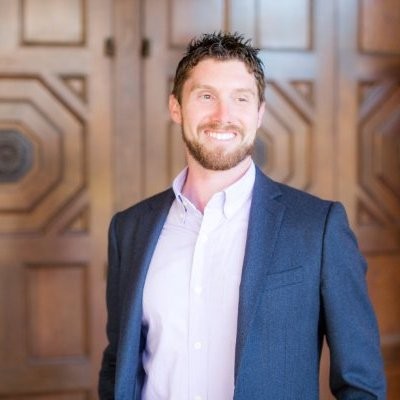
Rising Tide Partners is an early-stage investment platform that backs founders through a community of serial builders, operators, and domain experts who invest alongside each other. Rather than running traditional top-down diligence, the firm assembles deal-specific teams built around three roles: a voice of customer, a go-to-market operator, and a technical builder. The firm focuses on the earliest stages of company formation, often building relationships with founders well before a pitch exists, and uses that longitudinal track record to assess conviction before committing.
I heard you say in another podcast, it was about founder market fit versus, like, product market fit, and you are indexing on founder market fit higher. Explain it. I completely believe I'm investing in people, hundred percent, maybe ninety percent. Great, great, great, exceptional founder, pretty much has to figure everything out. The market doesn't exist. The solution doesn't exist. The problem might not even be apparent yet. And so, we have to underwrite all of that into the person to say, are you the one to go out into the world and solve the most urgent need that you believe is worth solving, and figure it out, and return an exit. Right? And so, to do that, you start to stack rank different things about a founder. Besides grit, besides insane curiosity, besides the right signal to determine urgent need versus nice to have need, you also some of the ways that you do that is, well, I've experienced that before, so I'm my own customer. Or I've built and sold into this industry, but I actually saw the bigger problem right there adjacent to what I was building. Those are some ways to experience how to stack rank founders.
We love complementary skills in co founders. Right? Not carbon copies. And so founders always love other founders. You have this kinship. You're a builder. I'm a builder for life. Also, the insane aspect of learning, but learning from a customer's perspective. The best founders, everyday are outselling, they're pitching, but more than that, they're listening and learning where pain is, like they're measuring signal firsthand. They don't want to synthesize it through someone else. They want to be there with the customer and just understand the pain as much as possible. And this is a billion dollar company, hundred billion dollar company, or a one million dollar company. That's founders. They, like, eat, sleep, drink customer pain.
No idea is unique at this point. We could have a thousand people with the same idea, and a thousand people will execute it a thousand different ways. So I wanna know why you, what's your unique angle. Part of that is who you surround yourself with. Are you aware of your skills, what you love, what you don't like, and what you're not good at? And how have you filled in those gaps? Team. Right? Because that's what the money is going into, by the way. The investment is going into hiring people. I want that money to go into the best people money can buy, and that's you as a decision maker. So, really, I'm a talent scout of talent scouts.
I think SaaS, pure SaaS for b to b enterprise, it's really hard to invest in. Right? It's still a great place to build software for, but I think every company is gonna build their own software. Solve my problem, and you don't have to own that tool. Build it, solve it, and maybe you'd never use that tool again because it just helped you that day. So I think software is not going away. I just think making a hundred x return on software is really hard right now.
Track your AI results